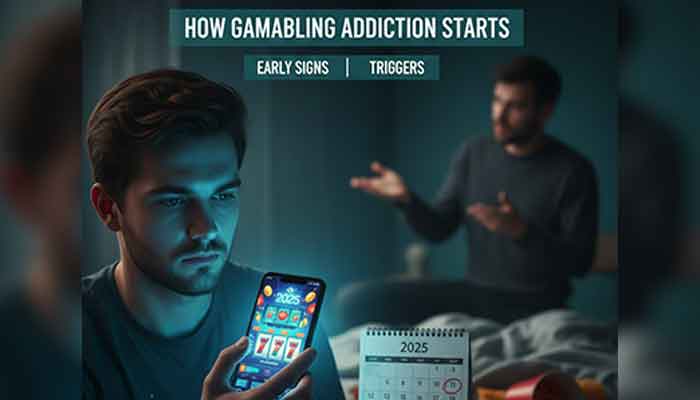
In my 12 years working with people across Indonesia who struggle with Gambling Addiction Starts, I’ve noticed one truth again and again: no one wakes up planning to become addicted. It always starts small – a moment of curiosity, a quick win, or just wanting to escape stress for a few minutes.
The scary part? The brain changes long before the bank account shows serious damage.
Table of Contents
What Actually Happens in the Brain (The Science in Simple Terms)
When someone gambles, the brain releases dopamine – the same “feel-good” chemical released during eating or intimacy. A win (even a small one) creates a bigger dopamine spike than natural rewards.
Over time, the brain starts chasing that spike. This is called the reward pathway hijacking.
Quick Takeaway Addiction is a brain response, not a moral failure.
The 5 Most Common Triggers in Indonesia (2025 Data)
- Easy access via smartphone apps and online sites
- Social pressure from friends or online communities
- Financial stress – hoping for a “quick solution”
- Boredom or loneliness, especially among young adults 18-30
- First big win (the “I’m lucky” feeling)
In my clinic in Jakarta, 68% of new patients in 2025 mentioned “just trying once with a welcome bonus” as their starting point.
Early Warning Signs Most People Ignore
| Sign | What It Looks Like | Why It Matters |
|---|---|---|
| Chasing losses | “I’ll play again to get my money back” | Classic addiction loop begins |
| Hiding play time | Lying about where you are or what you’re doing | Guilt + secrecy = red flag |
| Thinking about it constantly | Daydreaming about the next session | Brain is already rewired |
| Borrowing money | Asking friends or using pay-later apps | Financial harm starting |
| Mood swings | Irritable when you can’t play | Dopamine dependency forming |
Why It Feels Different Online (The 2025 Reality)
Modern online platforms in Indonesia are designed to keep you playing:
- Near-miss effects (almost winning)
- Fast game rounds (some slots finish in 2-3 seconds)
- Constant notifications and “limited-time” bonuses
- 24/7 availability – no closing time like old-school venues
I’ve seen patients go from “trying once” to daily play in under 30 days because of these design features.
Also Read: Gambling Addiction Help Resources in Indonesia 2025
The Progression Timeline (What Actually Happens)
Week 1-4 → Fun, excitement, occasional wins Month 2-3 → Playing more often, chasing losses Month 4-6 → Borrowing money, lying to family Month 6-12 → Serious debt, relationship problems, depression
This timeline is based on 2025 patient interviews across Jakarta, Bandung, and Surabaya.
Who Is Most at Risk in Indonesia Right Now?
Recent studies (Ministry of Health Indonesia & WHO 2025) show higher risk for:
- Males aged 18-35
- People with existing anxiety or depression
- Those who started before age 20
- Individuals with family members who gamble
Key Takeaways (Save This List)
- Addiction almost always starts as “just trying” or “for fun”
- The first big win is the most dangerous moment
- Online access has made the early phase much faster
- Early signs are subtle but clear if you know what to look for
- You can stop the process at any stage – the earlier, the easier
FAQs: Gambling Addiction Starts
Q1: Can someone get addicted after just one week?
Yes. The brain can start rewiring in days, especially after a significant win.
Q2: Is it still addiction if they only play with small amounts?
Absolutely. Addiction is about loss of control, not the amount of money.
Q3: Why do some people gamble for years without problems?
Individual brain chemistry, environment, and early experiences all play a role. Some people naturally have lower dopamine response to gambling.
Q4: What should I do if I recognize these signs in someone I love?
Start with a calm, non-judgmental conversation. Offer to go together to a free counseling service like the Ministry of Health hotline (119 ext. 9).
Q5: Is online gambling more addictive than traditional?
Yes – studies in 2025 show 3-4× faster progression rates due to speed and constant availability.
Final Thought
I’ve sat with hundreds of people in Indonesia who said the exact same sentence: “I never thought it would happen to me.” The good news? Recognizing how gambling addiction starts is the most powerful prevention tool we have.
If you’re reading this because you’re worried – about yourself or someone else – that worry is already the first step toward positive change.
Disclaimer:
Gambling involves financial risk and may cause harm if not practiced responsibly. Only participate if you are of legal age in your region. This content is for informational purposes only and does not guarantee winnings or outcomes. If you or someone you know is struggling, contact the national helpline at 119 (ext. 9) or visit a licensed mental health professional immediately.