Introduction:
In my 15+ years studying addictive behaviours and responsible gaming policies across Southeast Asia, I’ve seen the same pattern repeat hundreds of times: a player starts gambling for fun, feels an incredible rush when they win, and slowly the brain rewires itself to chase that feeling again and again.
Modern games (especially online slots and live betting) are designed using the same psychological principles as social media and video games. They trigger dopamine releases stronger than many everyday pleasures. For most people this remains harmless entertainment, but for some it quietly becomes a mental health challenge.
This article explains – in simple, beginner-friendly language – exactly what happens inside your mind when you gamble, the proven psychological effects (positive and negative), and how to spot trouble early.
Table of Contents
How Gambling Affects the Brain: The Science in Plain English
The Dopamine Loop
Every time you spin a slot, place a bet, or wait for a sports result, your brain releases dopamine – the “feel-good” chemical. Near-misses (almost winning) actually create a bigger dopamine spike than small wins. This is why you can feel excited even when you’re losing money.
Variable Ratio Reinforcement
This is the most powerful reward schedule known to psychology has ever discovered (the same principle that keeps people scrolling TikTok). You never know exactly when the next win will come, so the brain stays hooked waiting for it.
The Illusion of Control
Many players believe they can influence random outcomes (choosing “lucky” numbers, timing spins, etc.). Studies show this false sense of control keeps people playing longer than they planned.
Quick Takeaway
Gambling temporarily boosts mood through dopamine, but over time the brain needs bigger risks to feel the same excitement – similar to tolerance in substance use.
Also Read: Online Gambling Fraud Awareness Indonesia 2025 – Stay Safe
Common Psychological Effects of Gambling (2025 Research)
| Effect | What It Feels Like | Long-Term Risk |
|---|---|---|
| Euphoria & Excitement | Intense rush during play | Chasing the feeling leads to longer sessions |
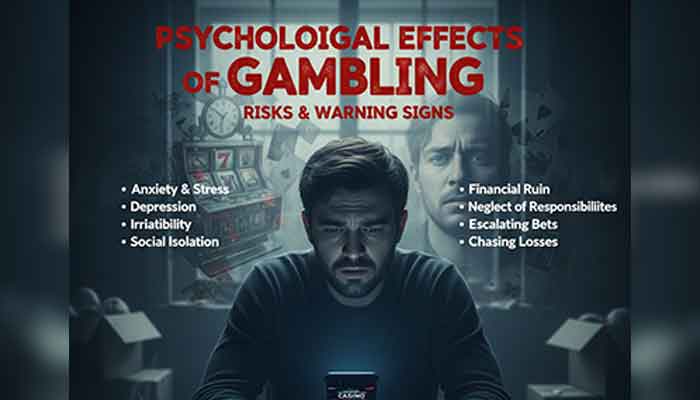
| Anxiety & Restlessness | Feeling nervous when not gambling | Can develop into irritability or panic |
| Cognitive Distortions | “I’m due for a win” thinking | Poor decision-making and financial loss |
| Depression & Low Mood | Feeling empty after losing | Higher risk of clinical depression |
| Escapism | Using gambling to avoid real problems | Problems get worse while money disappears |
Key Warning Signs You Might Be Developing a Problem (Beginner Checklist)
Tick any that feel familiar in the last 12 months:
- Thinking about gambling when you’re supposed to be working or studying
- Feeling restless or angry when trying to cut down
- Lying to family or friends about how much time/money you spend
- Borrowing money or selling things to gamble
- Gambling to escape stress, sadness or boredom
- Continuing to gamble after big losses (“chasing losses”)
If you ticked 2 or more, it’s worth talking to someone you trust or a professional counsellor.
What’s New in 2025: Indonesia Context
Indonesia maintains a complete legal ban on all forms of gambling (Law No. 7/1974 and newer electronic transaction laws). Despite this, illegal online gambling apps reached an estimated 3.2 million Indonesian users in 2024–2025 (Kominfo data).
Mental health clinics in Jakarta, Surabaya and Bandung now report gambling-related anxiety and depression as one of the fastest-growing reasons young adults (18–30) seek help.
How to Protect Your Mental Health: Practical Steps
- Set strict time and money limits before you ever open an app
- Never gamble when feeling stressed, lonely or drunk
- Keep gambling money completely separate from daily living expenses
- Take regular breaks (at least 30 days without any gambling is a good test)
- Talk openly with a friend or family member about your habits
- Use free blocking apps (Gamban, BetBlocker) if you feel tempted by illegal sites
Pros vs Cons of Gambling (Psychological View)
| Pros (Short-Term) | Cons (Long-Term) |
|---|---|
| Temporary excitement | Risk of addiction and depression |
| Social connection (live chat) | Isolation when losses mount |
| Feeling of achievement on wins | Shame and guilt after losing streaks |
Frequently Asked Questions
Q: Can gambling ever be completely safe for my mental health?
A: For most adults who treat it as occasional entertainment with strict limits, risks stay low. Problems usually start when it becomes a coping mechanism.
Q: Why do losses sometimes feel worse than the money itself?
A: Loss aversion (proven by Kahneman & Tversky) makes losing Rp500,000 feel psychologically twice as painful as winning Rp500,000 feels good.
Q: Is online gambling more dangerous psychologically than offline?
A: Yes. 24/7 access, faster game speed, and push notifications increase risk significantly.
Q: Where can Indonesians get free, confidential help?
A: Hotline Kesehatan Jiwa (119 ext. 8), Yayasan Sehat Jiwa, or international services like GamblingTherapy.org (available in Bahasa Indonesia).
Final Thought
Gambling can feel like a quick escape or a thrilling game, but your brain is not designed to handle endless random rewards without consequences. The same mechanisms that make it exciting are the ones that can quietly harm your mental health, relationships and finances.
You deserve to feel good without risking your peace of mind. If gambling ever stops being fun and starts feeling necessary, that’s the moment to pause and reach out.
Disclaimer:
Gambling involves financial risk and may cause harm if not practiced responsibly. Only participate if you are of legal age in your region. This content is for informational purposes only and does not guarantee winnings or outcomes. If you or someone you know is struggling, please contact a mental health professional.